Detailansicht eines nachhaltigen FLEXILITY®-Ladungsträgers aus recyceltem Kunststoff mit grünen Verbindungselementen. Die maßgeschneiderte Mehrwegverpackung bietet präzise Formaufnahmen, hohen Produktschutz und effiziente Logistiklösungen für Industrie und Automotive.

PPWR für Automotive-Ladungsträger

Reusable. Circular. Compliance.

The new EU Packaging Regulation (PPWR) changes the requirements for transport packaging and reusable systems.

With FLEXILITY®, FEURER helps automotive companies implement regulatory requirements in a practical way—with robust load carriers, efficient recycling loops, and documentable processes.

PPWR Explained in Simple Terms

The Packaging and Packaging Waste Regulation (PPWR) has a clear objective:

Packaging should become more resource-efficient, more recyclable, and more circular in nature.

For companies, this means new requirements for reusable systems, documentation, and packaging design. With a well-thought-out load-carrying strategy, these requirements can not only be met but also often result in economic benefits.

The Most Important PPWR Topics at a Glance

Reusable

Reusable cargo containers and closed-loop systems are becoming increasingly important.

Documentation

Reporting and documentation requirements are increasing.

Traceability

Packages must be clearly identifiable.

Efficiency

More emphasis is placed on empty space and cargo capacity.

Focus on Reusable Products

The PPWR promotes the use of reusable packaging systems.

Companies benefit from existing circular processes between OEMs, Tier 1, and Tier 2 suppliers.

FLEXILITY® load carriers are designed for high turnover rates, reconditioning, and long-term use.

Magic Business Case
Reusable load carriers with QR codes and digital identification labels for traceability in accordance with PPWR.

Labeling and Traceability

With the PPWR, the charge carrier is increasingly becoming an information carrier.

Key Requirements:

  • unique identification
  • digital traceability
  • structured data set
  • Support for Reporting Requirements

Efficiently Meet Reporting Requirements

In the future, companies will be required to systematically collect and document packaging data.

That’s why we consider packaging, load carriers, and data logic together from the very beginning.

  • Material Information
  • Packaging quantities
  • Reusable cycles
  • Documentability
Reusable load carriers with digital data visualization for PPWR-compliant documentation and reporting requirements.
FEURER Automotive Flexility Grossladungstraeger

Optimize packing density. Reduce empty space.

The PPWR sets new requirements for the reuse of shipping containers.

FLEXILITY® solutions help with this:

  • Increase packing density
  • Reduce white space
  • Reduce transportation costs
  • Reduce CO₂ emissions

PPWR Knowledge

Further Technical Articles on PPWRs

The Packaging and Packaging Waste Regulation (PPWR) introduces numerous new requirements for the automotive industry. In our technical articles, we examine individual aspects of the regulation and highlight its implications for reusable packaging, material use, and packaging design.

PPWR

Getting Started with PPWR

PPWR in the Automotive Industry

Overview of the Impact of the EU Packaging Regulation on OEMs and Suppliers.

Packages in front of a car depicted as a grid. The background is dark blue.

Basics

According to PPWR, what is packaging?

Find out which load carriers and packaging solutions will be covered by the regulation in the future.

Plastic recyclate in an industrial environment; header graphic for the EU packaging regulation PPWR and information on post-consumer recyclates.

Recycled materials

Post-Consumer Recycled Materials (PCR)

What guidelines does the PPWR set forth regarding the use of PCR materials?

A recycling symbol made of multicolored plastic pellets, including blue, green, and gray particles, some of which form the silhouettes of cars. The text “PPWR Minimum Recycled Content – Plastic Is (Even) Greener” is superimposed over the image.

Recycled content rates

Recycled Content Requirement by 2030

What minimum percentages will apply in the future, and what implications will this have for automotive packaging?

Three stylized vehicles in traffic-light colors (red, yellow, green) are arranged in ascending order against a green background. On the left is the text: “PPWR – Recyclability in Three Stages”

Reusable

Reusable Material Targets in the Automotive Industry

What reusable product quotas is the PPWR calling for, and how can they be implemented in practice?

An industrial recycling facility with conveyor belts, stacked recyclables, and a truck at sunset. The image features the headline “PPWR – Starting in 2035: Large-Scale Recycling.”

Packaging Design

Minimizing Packaging Starting in 2030

What requirements does the PPWR impose on packaging design?

Stacked RECOU packaging parts made from pressed cereal husks, a plant-based and dimensionally stable material for sustainable cushioning and protective packaging.

Alternative Materials

RECOU - Sustainable Packaging Solutions

How can innovative materials help meet the PPWR?

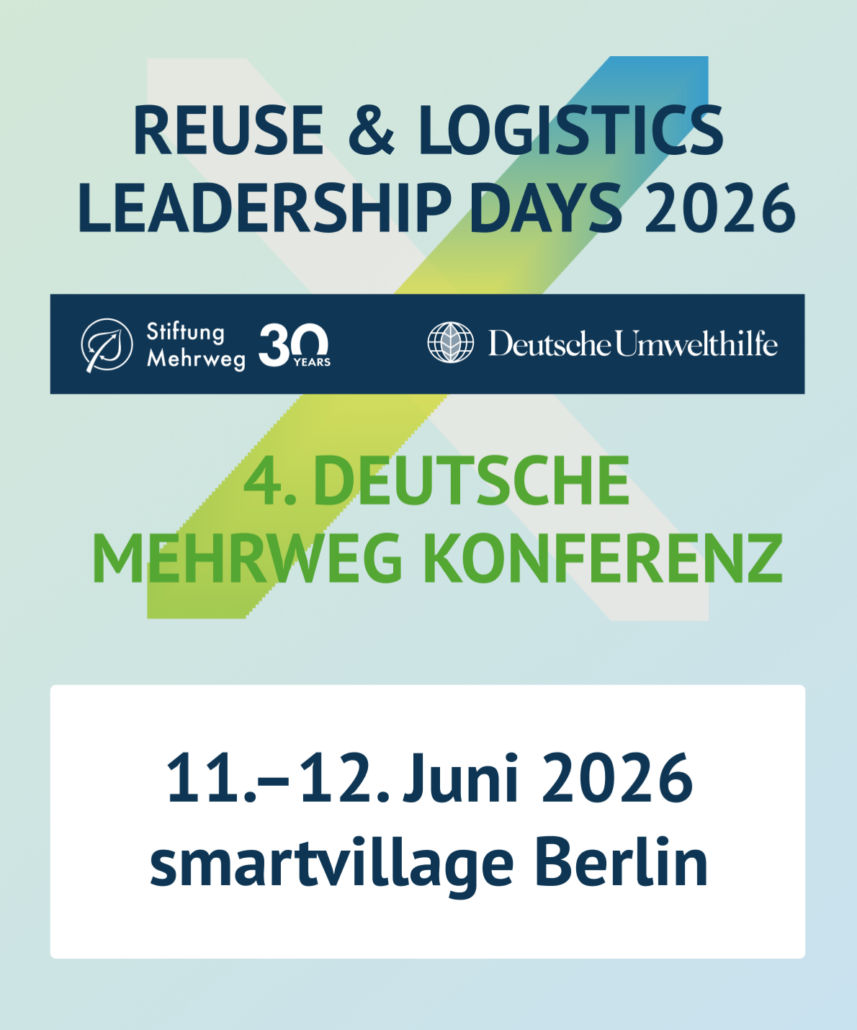
4th German Reusable Packaging Conference 2026, June 11–12 in Berlin (Reuse & Logistics Leadership Days).

Practice & Events

RLLD Congress Berlin 2026

Insights into current developments in reusable logistics and PPWR.

Talk to our PPWR experts

Would you like to ensure your shipping packaging meets the requirements of the PPWR? We’ll provide you with a no-obligation consultation and work with you to develop the right solution for your business.

"*" indicates required fields

This field is for validation purposes and should be left unchanged.
We would like to*
for recall
Gregor Unger bearb

Your contact person

Gregor Unger

PPWR Manager

T. +49 35752 927-38